Painting in Construction
Painting in Construction : Painting is a crucial aspect in construction intended to provide protection against moisture, ultraviolet rays, corrosion, and other types of damage that can affect the structural integrity of a building.
Painting refers to a process of applying a coating of paint or other similar materials on the surface of a building structure to enhance its aesthetic appeal, protect it from damage caused by weather and environmental factor, and improve its durability. Painting involves the use of various tools such as brushes, rollers, sprayers and other equipment to apply the paint evenly on walls, ceiling, floor, doors, window and other surfaces.

In addition to providing protection against damage and improving durability. Some paints also help to prevent the growth of mold and mildew which cause health issues for occupants. Also, painting plays an essential role in enhancing the visual appeal of buildings. It allows architects and designers to add color schemes that complement the building design while creating an attractive finish that adds value to the property.
Overall, painting is an integral part of construction and building industry as it not only protects structures but also enhances their aesthetic appeal thereby increasing their value.
In this blog we explore the intricacies of painting works in construction, offering insights into the various types of paint, preparation, application and finishing tourches.
The Role of Painting in Construction
Aesthetic Enhancement – Paint provides color, texture, and visual appeal to both interior surfaces, contributing significantly to the buildings overall look and feel.
Protection – Paint acts as a protective layer against environmental factors such as moisture, UV rays, and wear and tear. For example, exterior paints guard against rain and sun, while interior paints protect walls from stains and damage.
Maintenance – Properly applied paint can extend the life building materials by providing a barrier against potential damage.
Types of Paint
Choosing the right type of paint is crucial for achieving the desired results. Here are the main types used in construction.
Interior Paint
Latex Paint – Water-based and easy to clean, latex paints are popular for walls and ceilings. They dry quickly, have low odor and are resistant to fading.
Oil- Based Paint – These paints offer a durable finish and are ideal for high-traffic areas or surfaces requiring extra protection. They take longer to dry and have a stronger odor but provide a smooth, hard finish.
Exterior Paint
Acrylic Paint – It paint is known for its weather resistance and is commonly used for exterior walls. It remains flexible and is less prone to cracking or peeling.
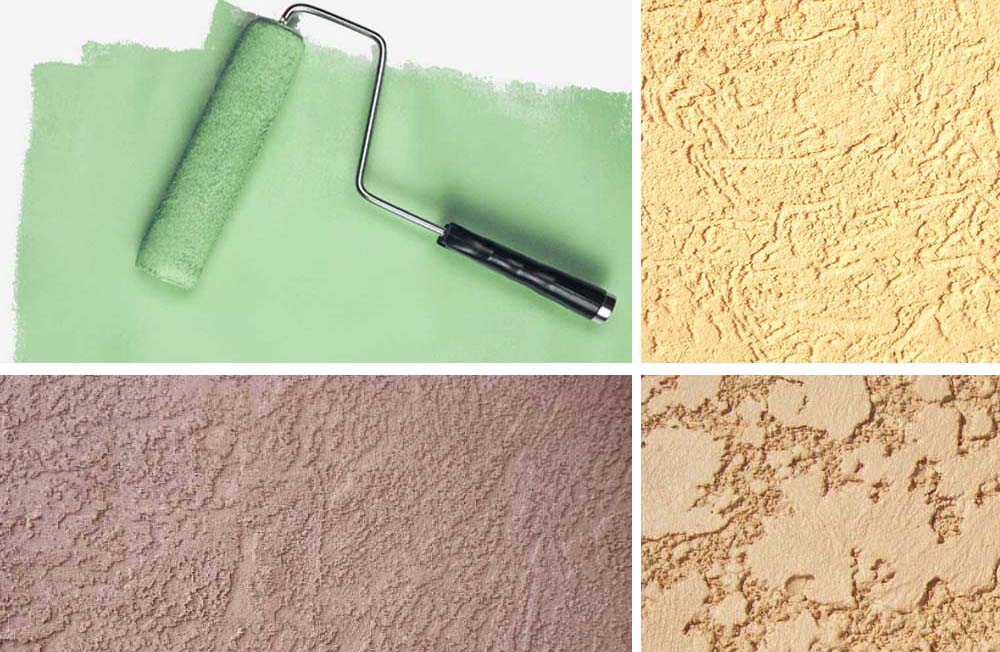
Elastomeric Paint – This paint can stretch and contract, making it ideal for surfaces prone to movement or cracking. It provides a waterproof seal and is often on masonry or stucco.
Surface Protection
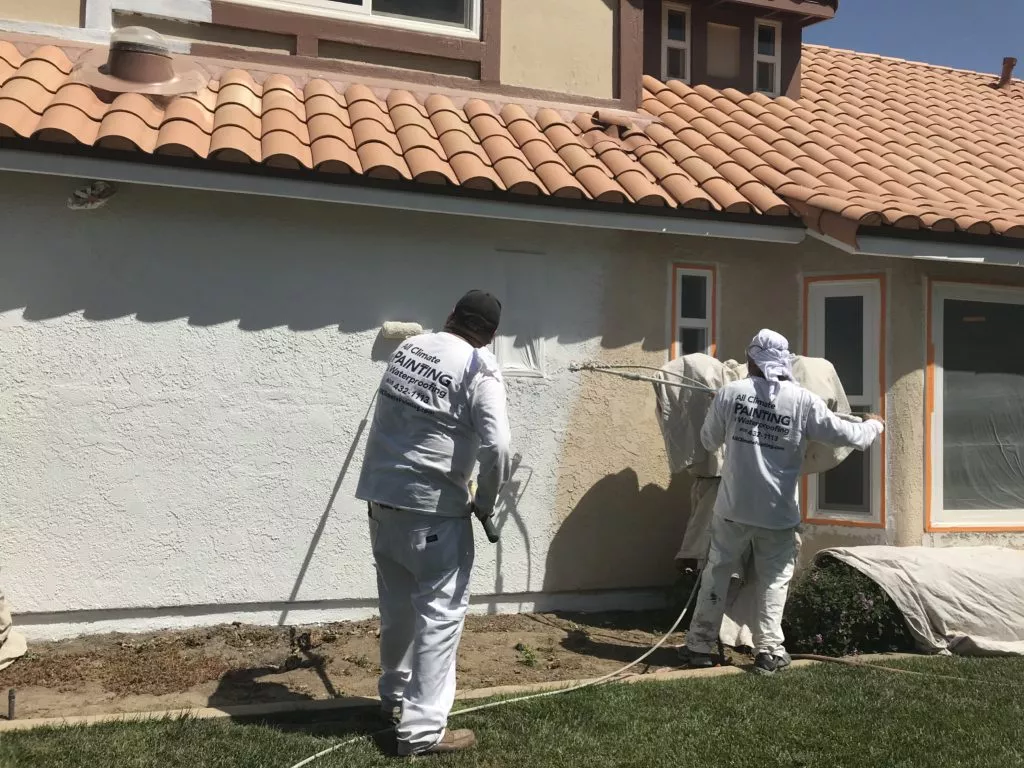
For a successful painting project, proper protection is essential as it ensure that paint adheres well and provides a smooth, long-lasting finish.
- Cleaning
Surfaces must be thoroughly cleaned to remove dust, dirt, grease, and other contaminants. For exterior surfaces, pressure washing may be necessary to eliminate build up and mildew.
- Repairing
Any cracks, holes, or damage should be repaired before painting. Fill gaps with suitable fillers and sand the area smooth. For larger repairs, consider using patching compounds or joint compound.
- Priming
Applying a primer is crucial, especially on new or repaired surfaces. Primers help paint adhere better and provide a uniform base for the topcoat. Also, they block stains and prevent them from bleeding through the final coat.
Painting Application
The application process of paint involves several steps, each of which affects the final outcome.
- Choosing Tools
- Brushes – Ideal for detailed work and edges, brushes are used for corners and trim
- Rollers – Suitable for large, flat surfaces, rollers cover more area and provide a consistent texture.
- Sprayers: They are effective for large areas and complex surfaces, sprayers apply paint evenly but require masking and protection for surrounding areas
- Applying the Paint
- Technique: Apply paint in thin, even layers to avoid drips and streaks. Use long, continuous strokes and maintain a wet edge to blend sections seamlessly
- Dry time: All each coat to dry completely before applying the next. This ensures proper adhesion and a smooth finish. Follow the manufacturer’s recommendations for drying times.
Finishing Touches
Once the main coats are applied, focus on the finishing details
- Touch-Ups
Always inspect the surface for any missed spots or imperfections, and to ensure a uniform appearance perform touch-ups as needed to
- Cleaning Up
Immediately after use, clean the brushes, rollers and other tools immediately to prevent paint from drying on them. For any leftover paint, dispose it properly as per the local regulations.
- Inspection
Conduct a final inspection of the painted surfaces to ensure the quality and consistency of the finish. Check for any areas that may need additional work or correction.
Special Considerations
Different surfaces and environments may require specific painting approaches, as explained below
- High Humidity Areas
Rooms like bathrooms or kitchens where moisture is prevalent, use paint with mildew-resistant properties – which helps prevent mold growth and ensure longevity.
- High – Traffic Areas
In high traffic areas such as hallways or commercial spaces, opt for durable, washable plaints that can withstand frequent cleaning and abrasion.
- Environmental Concerns
Consider eco-friendly paint options such as low-VOC (volatile organic compounds) or no-VOC paints, which are less harmful to the environment and indoor air quality.
Common Painting Mistakes to Avoid
While painting, there are common mistakes that should be avoided to achieve the best results.
- Skipping Primer – Failing to use a primer can lead to poor paint adhesion and uneven coverage.
- Overloading Brushes or Rollers – Applying too much paint at once can cause drips and an uneven finish
- Ignoring Surface Preparation – Poor surface preparation can result in peeling or bubbling paint
- Not Allowing Proper Drying Time – Rushing the process can affect the quality and durability of the finish.
In conclusion: Painting in construction is integral to the final presentation and protection of a building. From selecting the right paint and preparing surfaces to applying coats and finishing touches, every step plays a vital role in achieving a successful result.
By understanding the types of paint, preparing surfaces properly, and applying paint correctly you can ensure that your building not only looks great but is also well-protected and maintained. Whether you are a professional painter or a DIY enthusiasts, paying attention to these details will lead to a high-quality, long lasting finish that enhances the beauty and durability of your construction project.