Roofing in Construction
Roofing in Construction : On every building a roof is the highest component serving as a structural covering to protect the structure from rain, sun and wind among others. Similar to supper floors, roofs are built in the same way in terms of structure, albeit the shape of their upper surfaces may differ. Roofs have been built in a range of shapes and sizes including flat, pitched, vaulted, domed, and combinations, depending on technical, economic and aesthetic concerns.
The diverse climate in Uganda, characterized by distinct wet and dry seasons, poses unique challenges for roofing materials and designs. Heavy rainfall and intense sunlight are common, necessitating roofing solutions that can withstand these conditions while providing adequate insulation and ventilation.
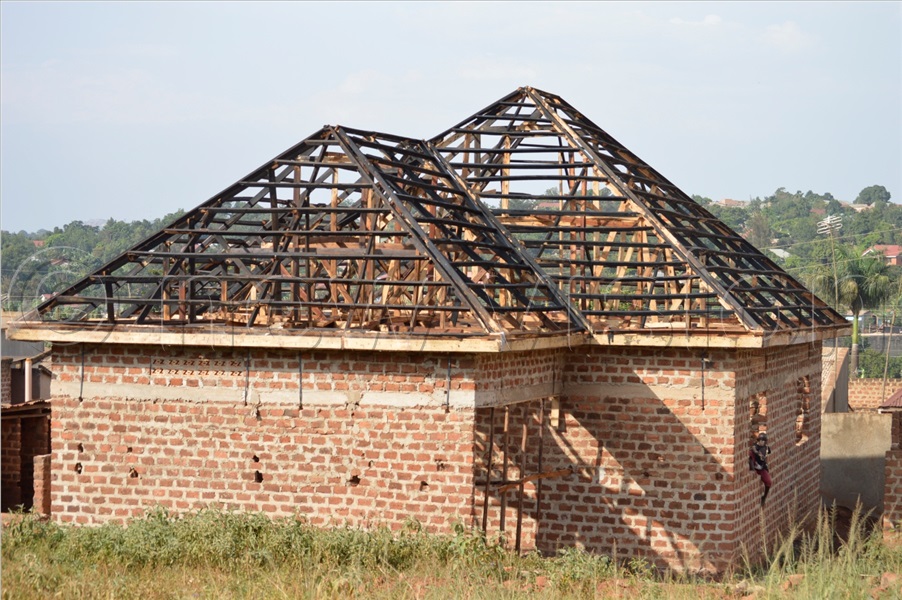
In Uganda, the choice of roofing materials is influenced by factors such as cost, availability, and local building practices. Understanding the various types of roofing options available can help homeowners and builders make informed decisions based on their specific needs and preferences.
In this blog, we explore the different types of roofing commonly used in Uganda, their characteristics, advantages and disadvantages. Whether you are planning a new construction project or considering a roof replacement, this blog provides valuable insights to help you choose the right roofing solution for your roofing needs.
Flat Roof
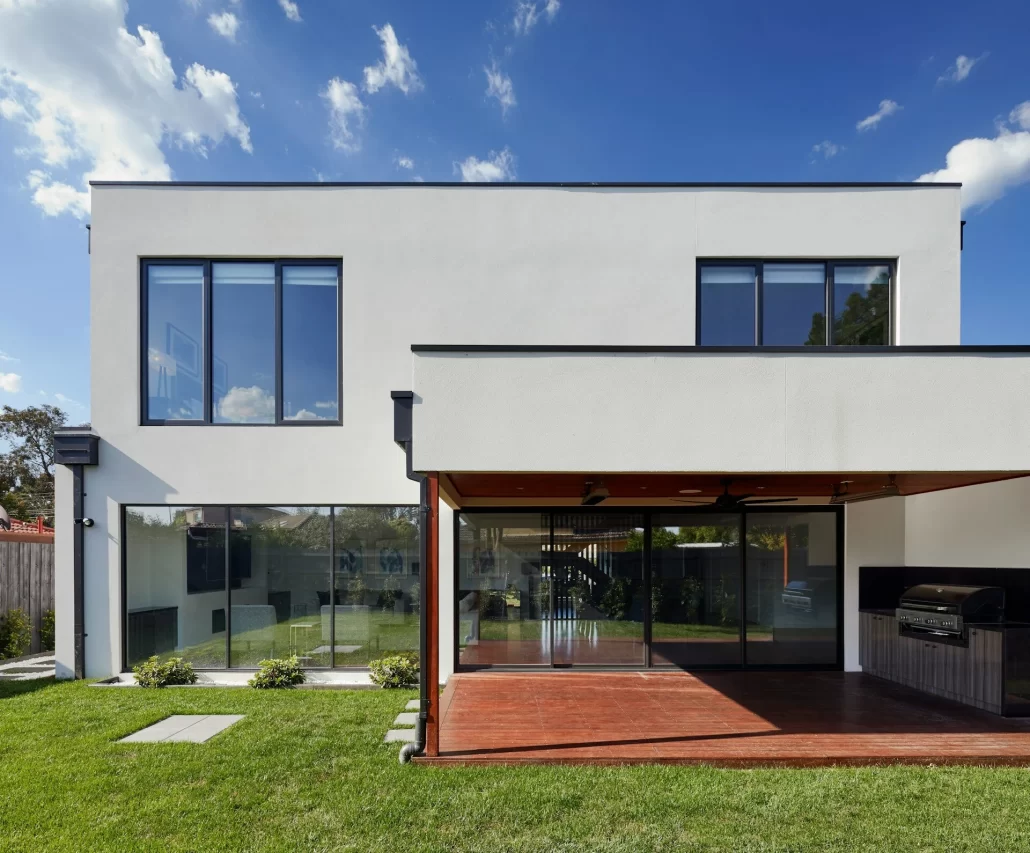
A flat roof is a horizontal or nearly horizontal roofing structure, often used in modern architecture for is sleek and minimalist appearance. Unlike sloped roofs, flat roofs lack noticeable pitch or slope.
Characteristics of Flat Roofs
- Flat roofs are easier and more cost-effective to construct compared to sloped roofs
- Flat roofs provide additional usable space, which can be used for rooftop gardens, solar panels or outdoor living areas
- Flat roofs requires regular maintenance to prevent water pooling and leakage especially during heavy rainfall
- Proper insulation is crucial for flat roofs to regulate indoor temperature and prevent energy loss.
Advantages of Flat Roofs
- Affordability – Flat roofs are generally more cost-effective to install and maintain compared to sloped roofs
- Accessibility – The flat surface of a flat roof makes it easier to access for maintenance and repair work
- Space utilization – Flat roofs can be used as additional living or recreational space, adding value to the property.
Disadvantages of Flat Roofs
- Drainage issues – Flat roofs are prone to water pooling, which can lead to leaks and structural damage if not properly addressed.
- Durability – Flat roofs may require more frequent maintenance and repair compared to sloped roofs, especially in areas with heavy rainfall.
- Limited design options – The design of a flat roof may limit the architectural aesthetics of a building compared to sloped roofs.
Common Materials Used for Flat Roofs in Uganda
- Concrete – Durable and affordable, concrete is a popular choice for flat floors in Uganda.
- Bitumen – Also known as asphalt, bitumen roofs are cost-effective and easy to install
- EPDM (Ethylene propylene diene terpolymer) – A synthetic rubber material, EPDM is highly durable and resistant to UV rays and weather damage.
- Metal – Metal roofs are lightweight, durable, and recyclable making them a sustainable option for flat roofs.
- PVC (Polyviny chloride) – PVC roofs are resistant to chemicals, fire, and UV rays, making them a long-lasting roofing option.
The flat roofs are a popular choice of roofing in Uganda for commercial and residential building due to their affordability, accessibility, and space utilization benefits. However, proper maintenance and insulation are essential to ensure the longevity and performance of flat roofs in Uganda’s diverse climate.
Mansard Roof
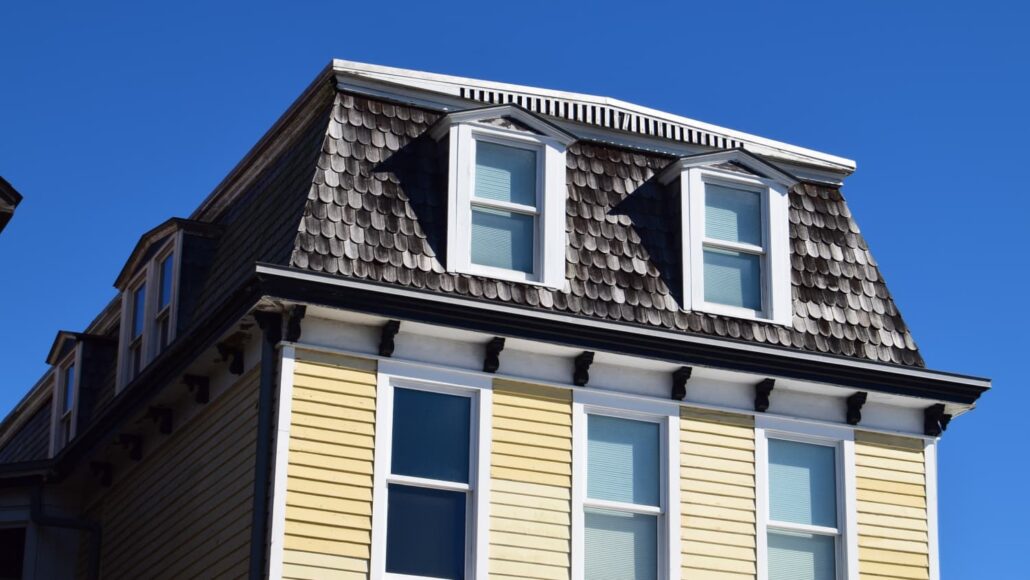
A Mansard Roof is a four-sided gambrel – style hip roof characterized by two slopes on each of its sides with the lower slope being steeper than the upper one. This design provides extra living space or storage under the roof known as a garret.
Characteristics of Mansard Roofs
- Mansard Roof’s lower slope is typically much steeper than the upper slope, giving it a distinctive profile
- This type of roof often features dormer windows, which provide natural light and ventilation to the attic space.
- The steep lower slopes of a Mansard roof allows for the possibility of adding an extra floor or living space, making it a popular choice for urban building where space is limited.
Historical Background
- The Mansard roof gets its name from the French Architect Francois Mansart (1598-1666), who popularized the style during the 17th Century.
- Originally, the Mansard roof became fashionable in Europe and North America during the 19th Century, especially in the Second French Empire style of architecture.
Suitability for Uganda’s Climate
- Mansard roof design, with its steep lower slope can help to shed heavy rainfall, making it suitable for Uganda’s climate, which experiences heavy rainfall during certain times of the year
- Mansard roof provides additional living space or storage that can be beneficial in urban areas where space is limited, allowing for more efficient use of land available.
In conclusion, Mansard roofs are known for their unique design and practicality, providing additional living space or storage while shedding water effectively. In Uganda where heavy rainfall is a concern, the design of a Mansard roof could be a practical and aesthetically pleasing choice for both residential and commercial buildings.
Hip Roof
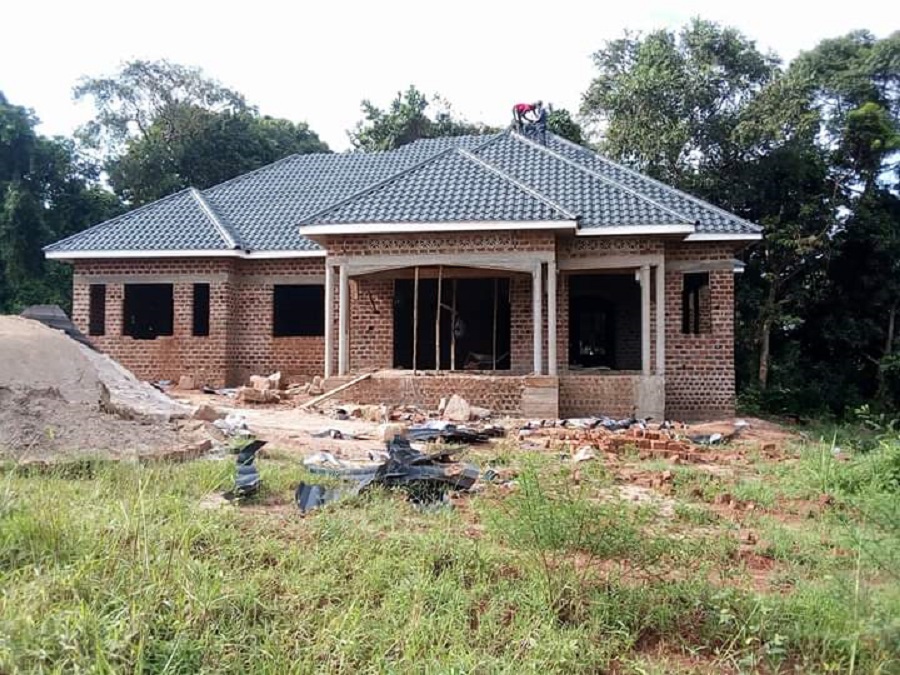
This is a type of roof where all sides slope downwards to the walls, usually with a fairly gentle slope. The design is common in many parts of the world and offers several advantages.
Characteristics of Hip Roofs
- All sides of a hip roof slope downwards, which makes it more stable than other roof types in high winds or snowy conditions
- The overhanging eaves of a hip roof provide shade and protection from the elements, helping to keep the interior of the building cooler in hot weather.
Advantages of Hip Roofs
- Stability – The design of hip roofs make it more stable than other roof types, especially in areas prone to high winds or heavy snowfall
- Durability – Hip roofs are less likely to suffer wind damage or leaks compared to other roof types
- Aesthetic appeal – The symmetrical design of a hop roof can enhance the overall appearance of a building, giving it a more traditional or classic look.
Disadvantages of Hip Roofs
- Cost – Hip roofs can be more expensive to construct than other roof types, due to the additional materials and labor required.
- Less attic space – The sloping sides of a hip roof can reduce the amount of usable attic space compared to other roof types
- Maintenance – The complex design of a hip roof can make it more difficult and costly to maintain and repair.
Examples of Hip Roof Designs in Uganda
- Traditional homes in rural Uganda often feature hip roofs constructed from thatch or grass, providing natural insulation and a rustic appearance
- In urban areas, modern hop roof designs using corrugated iron or other materials are common, offering a more durable and weather – resistant option.
In conclusion, hip roofs are a popular choice of roof in Uganda and around the world due to the stability, durability, and aesthetic appeal. While they may be more expensive in terms of construction and maintenance than other roof types, there benefits often outweigh the drawbacks, especially in areas prone to severe weather conditions.
Shed Roof
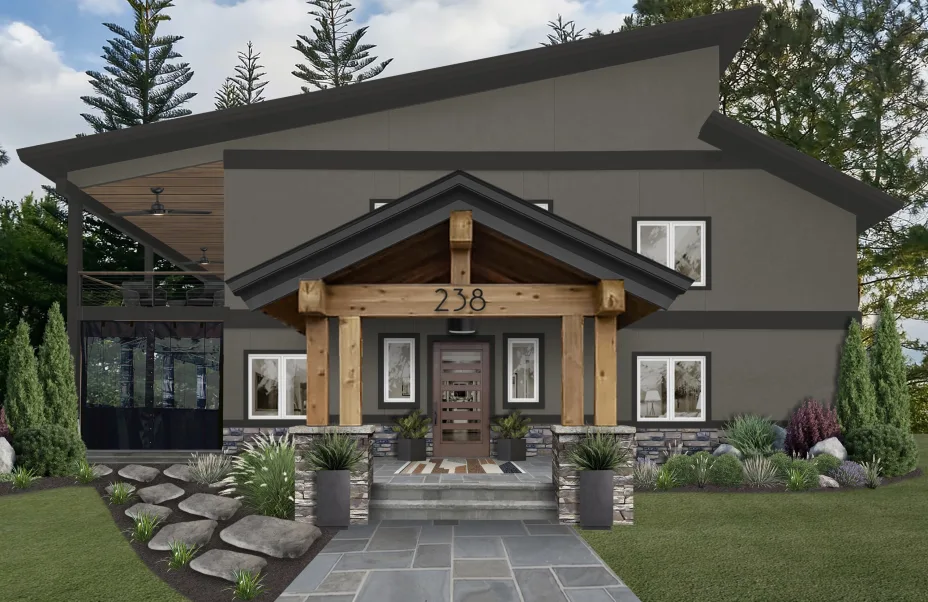
Also known as a single-slope or lean-to roof, a shed roof with a single slope is usually attached to a taller wall. This type of roof is simple in design and construction, making it a popular choice for various architectural styles.
Characteristics of Shed Roofs
- Shed roofs have a single slope, which can vary in steepness depending on the design and functional requirements
- The simplicity of shed roofs makes them cost-effective and easy to construct
- Shed roofs are versatile and can be used for both residential and commercial buildings.
Common Uses in Ugandan Architecture
- Shed roofs are often used for smaller structures such as storage sheds, carports, and simple dwellings
- The single-slope design for shed roofs makes them suitable for buildings with limited space or where a minimalist design is desired.
Advantages of Shed Roof
- Cost-effective – Shed roofs require fewer materials and less labor compared to other roof types, making them a cost-effectie option
- Rainwater harvesting – The slope of a shed roof facilitates rainwater collection, which can be beneficial in areas where water supply is limited.
- Aesthetically pleasing – Shed roofs can add a modern and sleek look to a building, especially when paired with other contemporary design elements.
Disadvantages of Shed Roof
- Limited attic space – The single-slope design of shed roofs can limit the amount of usable attic space compared to other roof types
- Maintenance – Shed roofs may require more frequent maintenance, especially in areas with heavy rainfall or strong winds, to prevent leaks and structural damage.
- Insulation – Proper insulation is crucial for shed roofs to prevent heat loss in colder months and heat again in hotter months, which may require additional costs.
Gambrel Roof
A gambrel roof is characterized by two slopes on each side, with the lower slope being steeper than the upper one. The design creates a distinctive barn-like appearance and provides additional space under the roof.
Gambrel Roofs are similar to mansard roofs but have a shallower upper slope and a steeper lower slope. The design of this roof allows for more headroom and storage space in the attic or upper level of a building compared to other roof types. Gambrel roofs are commonly used in barns, farmhouses, and Dutch Colonial-style homes.
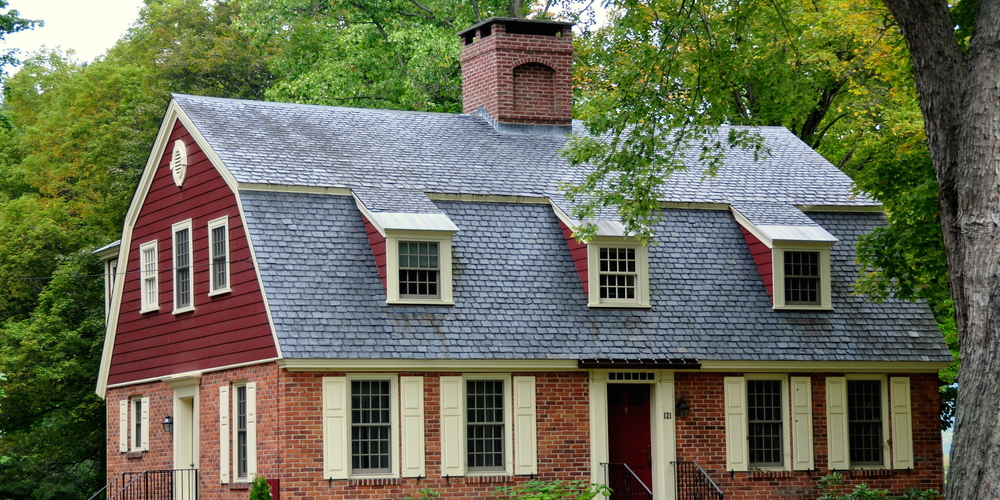
History and Modern Applications of Gambrel Roof
- Gambrel roofs have been used for centuries and are often associated with traditional American and Dutch architecture.
- In modern architecture, gambrel roofs are still popular for their aesthetic appeal and functional benefits, such as providing extra space without the need for a full second story.
- Also, Gambrel roofs are used in contemporary home designs where they add a sense of charm and character to the exterior of the building.
Examples of Gambrel Roofs in Uganda
- Though as common in Uganda as in other regions, gambrel roofs can be found in some residential and commercial buildings
- Gambrel roofs are often used in Uganda for buildings that require additional storage or living space under the roof, such as barns, storage sheds and farmhouses.
The gambrel roofs are a distinctive and functional roofing option that adds character to a building’s exterior while providing additional space inside. While not as common in Uganda as in some other regions, gambrel roofs can still be a practical and aesthetically pleasing choice for certain architectural styles and building types.
In Uganda, there are a variety of roofing types available, each with its own advantages and disadvantages. When choosing the right roofing type for your building, it is important to consider factors such as durability, cost and suitability for the local climate.
When choosing the right roofing type for your building in Uganda, it is essential to consider your individual needs and budget. Consulting with a professional roofer can help you make an informed decision based on your specific requirements.
Note: The right roofing type can enhance the overall appearance and functionality of your building while providing long-lasting protection against the elements.