Country Homes in Uganda
Country Homes in Uganda : With the growing population in Uganda’s cities including Kampala – the capital, Mukono and the neighboring areas due to rural urban migration, many people have been forced to construct up-country to avoid negative effects of a large population and enjoy peaceful living.
Factors to consider when building country homes in Uganda
Country homes serve to accommodate big numbers especially during the festive seasons, and since the guests will stay over, bedrooms should be big enough to allow for shared occupancy with separate bathrooms.
In most country homes, many would prefer using fire wood, Lapyem assert that kitchens would also need to be designed factoring in the fuel you would mostly be using to cook in your home. Usually, country homes double as farm houses so storage of farm produce needs to be given consideration.
The design process gives guidance to the builder, so key thought needs to be given to the materials specified for the construction so that you don’t have to break the bank to get it built. The rule of thumb is that you use the materials readily available in your locality.
- House and neighborliness – Usually the number of users determine the size of the house. For country homes, on average a four bedroom house would suffice. Create a good relationship with your neighbors. Fencing with chain link, and thorn bush hedges would be quite sufficient. The doors and windows need to be fabricated against burglar intrusion.
Doors and windows will need to be made burglar proof by having the locking hasps located where it is impossible to access from the outside. However, be sure not to make the burglar proofing to the windows hideous to a point that they compromise the aesthetics of the building.
- Power and water – Make consideration for renewable energy sources such as solar back up power solutions, and Bio gas. For water, rainwater harvesting into reservoir tanks would save you a lot. The other is sinking a borehole (though it comes with a price tag).
- Trees in the compound – For those who love nature, when considering trees with a wide span crown, six meters from the external wall of the building would be adequate. An interesting fact about trees is that the reach of trees from the stem, is approximately equal to the reach of the branches from the stem. So, when the branches reach your house, the roots are damaging the foundation of the house.
Your architect should be able to guide you, be it a general or a land architect. You need tall trees to act as wind breakers but they should be spaced.
Sustainability should be considered when building, because you go to your country home occasionally you need material that can take long to be repaired and washed. For an ordinary person, the fencing is not needed but it rather defines your boundary.
Also, one should be mindful of the environment aspect. For example if you are building in Eastern Region, note that you will be affected with earthquakes, wind and in Bududa Region, you will be affected by landslide.
Country homes are a good retreat from all the hustle and bustle of the city that is why you your home needs to be designed to create a feel of relaxation, peace and quiet. This can be achieved by designing spacious airy living rooms, and having covered outdoor spaces or verandas.
Additionally, make consideration for renewable energy sources such as solar backup power solutions, and Bio gas, a tank for rainwater harvesting into reservoir tanks.
Frequently Asked Questions About Country Homes in Uganda
What is a country house plan?
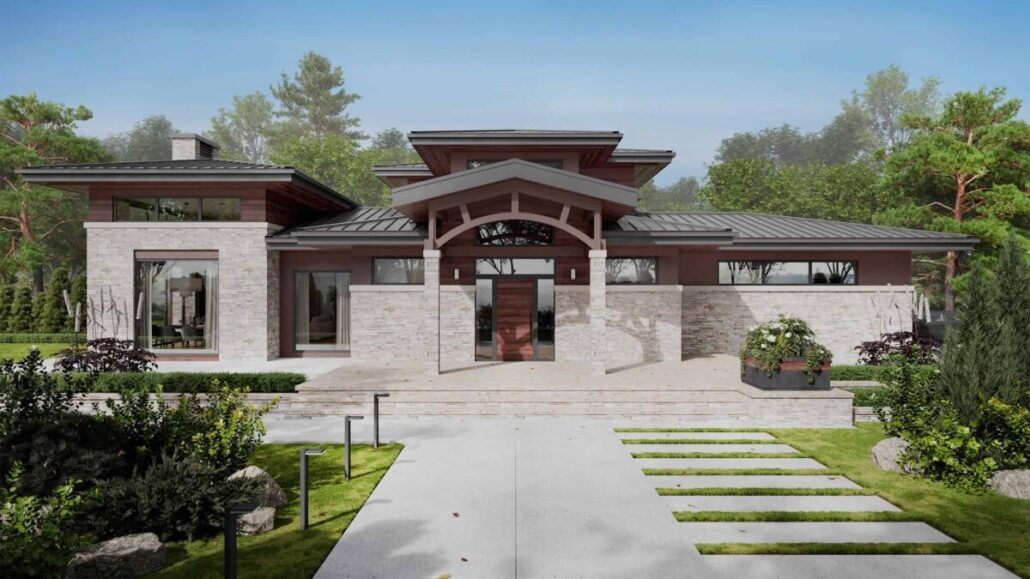
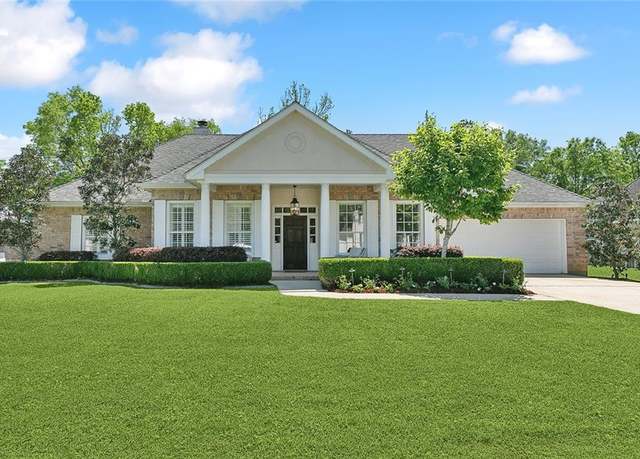
Country house plans are specifically designed to be built out on rural land, they are akin to farmhouses and typically include large front and rear poaches and simple rooflines adorned with gables and or dormers.
How do country house plans differ from other plans?
Depending on the design you are interested in, country house plans can have a lot of overlap with simple cottage and farmhouse style floor plans. Most country home plans are larger than traditional homes and cottages, although they still maintain a cozy, welcoming feel. Many people use “country” and “farmhouse” interchangeably, but farmhouses have more consistent design features while country homes are influenced by their surroundings more.
Just think of French Country Homes, they are in a completely different category.
What are some common features of country house plans?
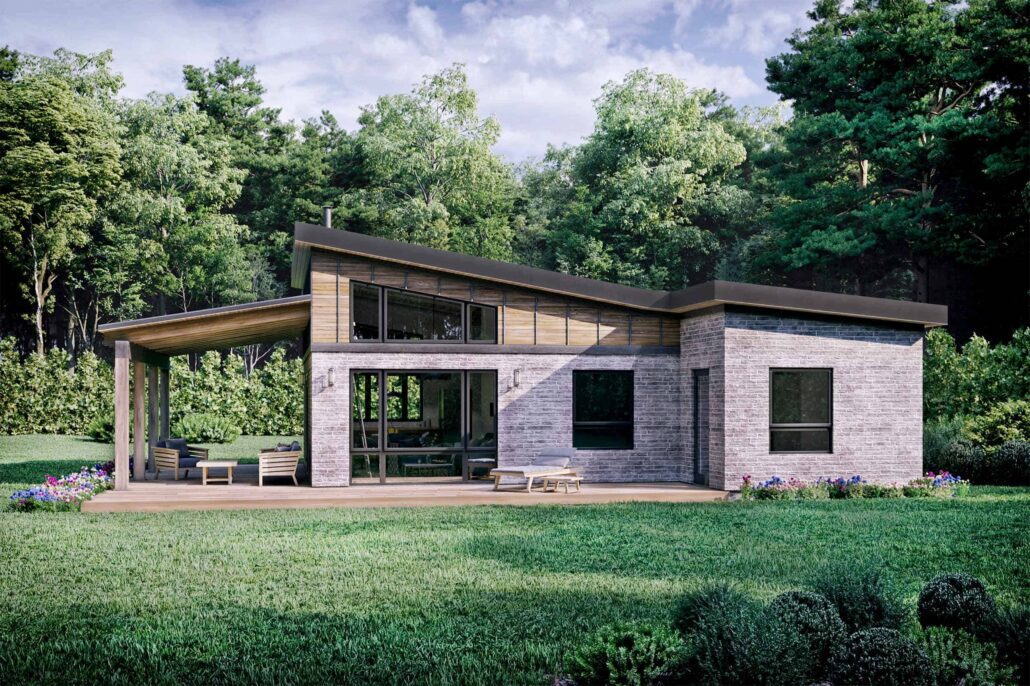
Country homes have sloped roofs that extend over out over the porch spaces (s).
Expect to see gables, dormers, multi-panel windows, and beam features. Inside, an informal open-concept layout is common. Country homes come in one-and two-story designs and are finish in simple designs for a clean, simple sophisticated look.
Steps to Building Your Country Home
- Planning and preparation
Building a country home in Uganda involves more complexities than urban construction. It requires coordinating various aspects like land acquisition, design, permits, utilities and financing. Also, the process can be more time-consuming due to rural-specific considerations.
Be sure to allocate significant time and planning, from floor plans to financing.
- Site considerations
There are several factors to put in consideration like road frontage, septic systems, water and electric access need to be considered. Soil drainage (perc test) and zoning limitations should be evaluated.
Site work costs for tasks like clearing, grading and preparing rural land may be significant. Also, keep in mind proximity to amenities and services as these will impact land value.
- Secure financing
When going through planning and financing, don’t rush. Be realistic about goals and budget and develop detailed plans and projected costs for proper valuation.
Many money lenders won’ finance vacant land or have strict requirements. Country living loans from several credit banks in rural financing, offering flexible land and lot loans and one-time closing for construction to permanent financing. Additionally, interest only payments are made during the construction phase at a variable rate.
Upon completion of your building, or at the end of the 12-month build timeframe, you are then eligible to lock in a lower long-term fixed rate. Furthermore, interests is only charged on funds advanced during construction and payments gradually increase over time.
- Define a timeline
Construction of a new home is not a project you want to rush through planning and financing. Start the process 2-3 months before breaking ground. This allows time to finalize plans and secure permits. The loan process typically takes 45-60 days. Buyers typically have 12 months to complete construction after closing. This provides flexibility as you organize the project.
- Construction planning
Finalize floor plans. Detailed floor plans are required for accurate appraisal and financing, so be sure to have them ready for the appraisal.
- Evaluate Builder
Compare multiple estimates to select a reputable builder.