Affordable Residential Homes In Uganda
Affordable Residential Homes in Uganda : With the current challenges faced by the housing market in Uganda, due to the rapid increase in the urban population and the urbanization rates rising at unprecedented levels, the demand for housing has far outstripped the supply. The increase in the urban population has led to a spike in housing demands, creating a pressing need for affordable and adequate housing solutions.
According to the statistics, the average cost of housing in urban centers remains high for the majority of Uganda’s population which is estimated at around 18% that can afford home ownership. This imbalance highlights a substantial gap between housing supply and demand. The restricted availability of affordable housing in Uganda worsens this issue, leaving many residents in substandard living conditions.
The results of inadequate housing on social and economic well-being are profound. The poor housing conditions in Uganda are linked to a range of negative outcomes, including health problems, reduced educational attainment, and diminished economic productivity.
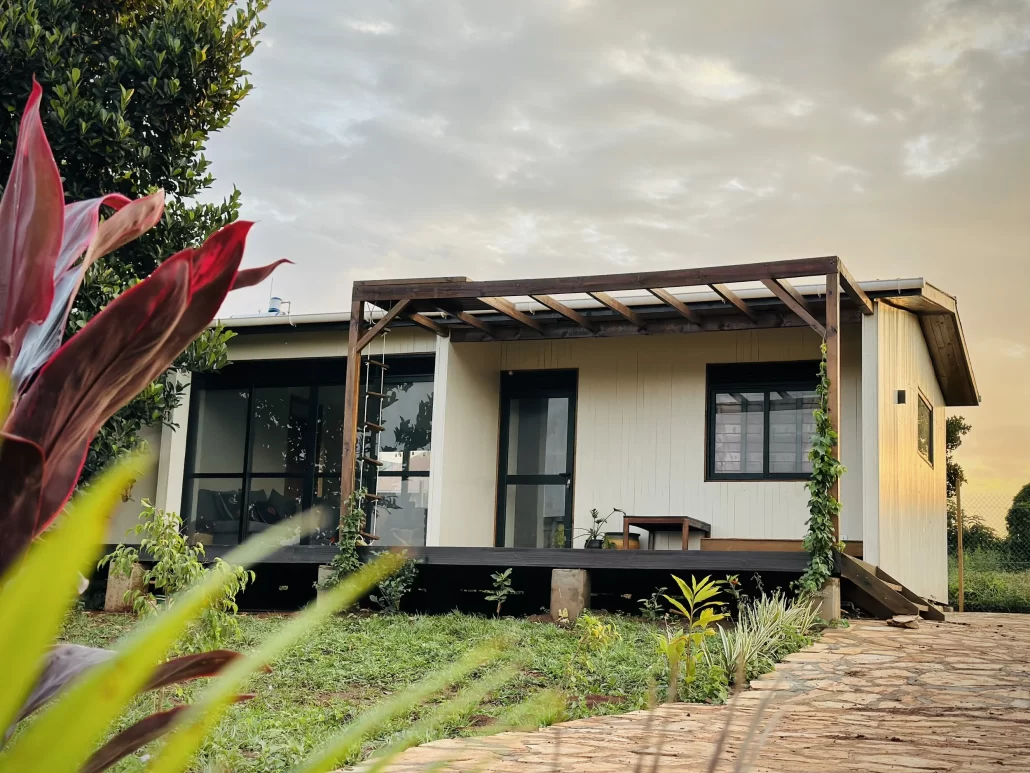
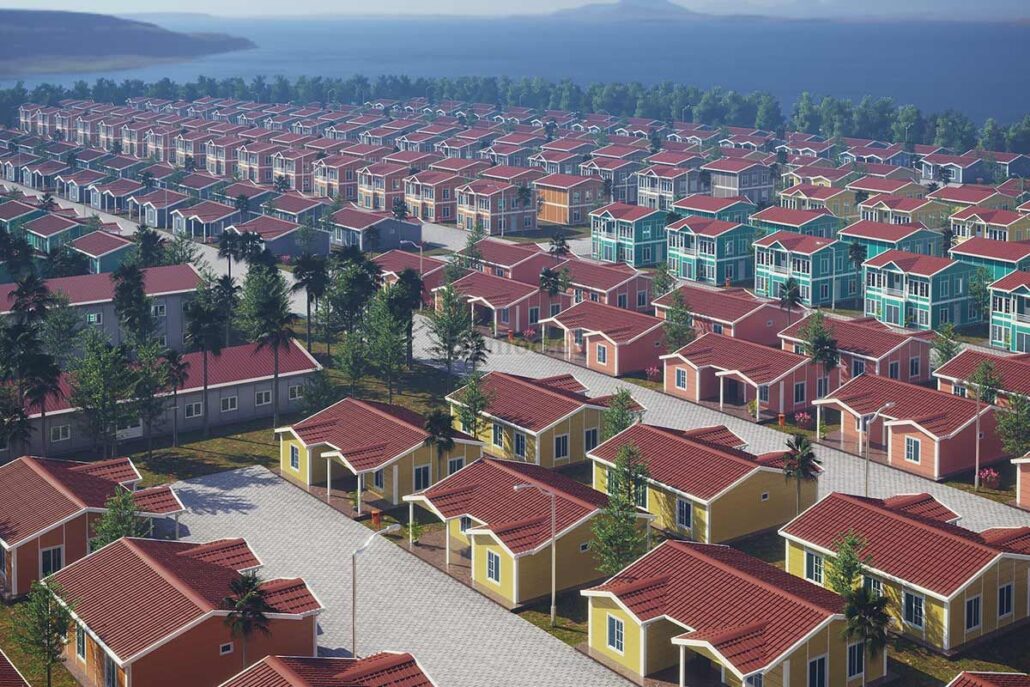
The dream of Uganda’s developers of providing affordable social housing to low income families is slowly becoming a reality, thanks to the efforts of companies like Moorland Consults, whose mission is to meet the urgent need for comfortable, safe and most importantly affordable housing, thus leading the way in revolutionizing the housing industry with modular and prefabricated houses. These innovative housing solutions are not only a testament to the power of modern construction techniques, but also reflect a deep commitment to improving the quality of life of Ugandans.
New housing projects, although being developed, fall short in addressing the overall demand. These projects often cater to higher-income segments, leading to persistent shortages in affordable housing for the majority of urban dwellers. The existing shortfall underscores the need for strategic interventions from both the public and private sectors to enhance housing affordability and accessibility.
The current state of housing in Uganda is characterized by a critical imbalance between supply and demand. The burgeoning urban population exacerbates the affordability crisis, impacting social and economic well-being significantly. Addressing these challenges requires concerted efforts that prioritize sustainable and inclusive housing solutions.
Factors Contributing to Unaffordable Residential Housing
The unaffordable housing in Uganda is influenced by several factors with high cost of land being the main factor. With limited land availability, especially in urban centers, the prices have skyrocketed, making it increasingly challenging for average Ugandans to afford residential plots. In tandem with expensive land, the construction materials necessary for building houses have also seen a significant increase in cost. The reliance on imported material further inflates the prices as these come with additional costs such as import duties and transportation fees.
The regulatory constraints present another formidable challenge. The bureaucratic processes involved in obtaining the necessary permits and approvals for construction can be time-consuming and costly. These delays not only slow down the pace of development but also increase the overall expenditure for housing projects. Additionally, compliance with various building codes and standards often necessitates the use of premium materials, further driving up construction costs.
A critical obstacle to affordable housing is the limited access to financing options. The majority of Uganda’s population remains unbanked, and even those who do have access to financial institutions often find the terms for mortgages and loans to be prohibitive. High interest rates and stringent eligibility criteria serve as significant barriers, preventing a large segment of the population from securing the necessary funds for home ownership.
Also, socio-economic disparities play a pivotal role in the housing crisis. Wide income gaps mean that a substantial portion of the population remains unable to afford descent housing. This gap is exacerbated by the rapid urbanization Uganda is experiencing. The influx of people into urban areas in search of better opportunities has increased the demand for housing, but the supply has not kept pace, resulting in exacerbated housing shortages and inflated rental prices.
Experts highlight that the situation is compounded by a lack of comprehensive urban planning and a shortfall in investments targeted at affordable housing initiatives. Real life examples such as the surging property prices in Kampala, illustrate these points vividly, emphasizing the urgent need for integrated strategies to tackle these multifaceted challenges.
Strategies for achieving affordable residential housing in Uganda
To achieve affordable housing in Uganda, a multifaceted approach is required, this approach involves both government intervention and private sector initiatives. The implementation of effective government policies is an essential strategy, subsidies and tax incentives for developers and buyers can significantly reduce the cost of housing. These measures encourage the construction of affordable units and make homeownership more accessible to low and middle – income families.
In additional to financial incentives, the government can play a vital role by investing in infrastructure development. Improved transportation networks and utility services can enhance the attractiveness of new residential areas, thereby encouraging private investment in housing projects Urban planning that prioritizes high density, mixed – use developments can also optimize land use and reduce costs.
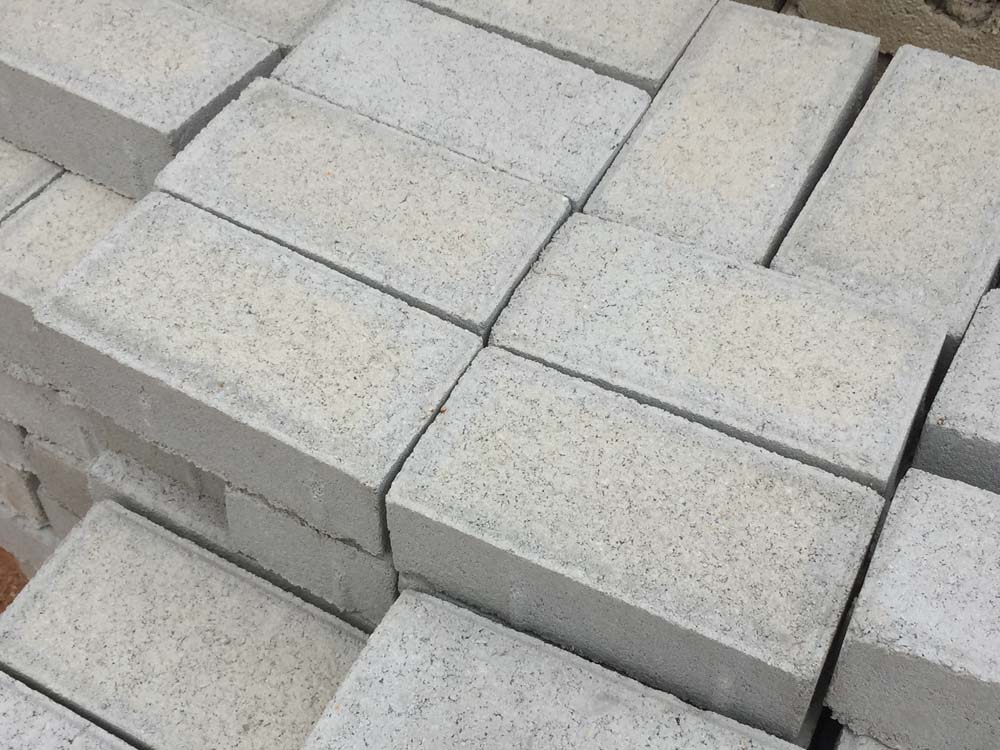
Private sector initiatives are equally important. Developers can adopt innovative construction techniques to lower expenses. For instance, the use of locally sourced and sustainable materials can reduce shipping and productions costs. Techniques such as modular construction and prefabricated building components can expedite project timelines and minimize wastage.
Often successful affordable using projects are a result of partnerships between various stakeholders, including government bodies, private companies, non-governmental organizations, and local communities. Collaborative efforts can pool resources, expertise, and risk, creating synergies that facilitate these projects. Partnership between Habitat for Humanity and local governments is one of the notable example which has led to the construction of numerous affordable homes using community-driven models.
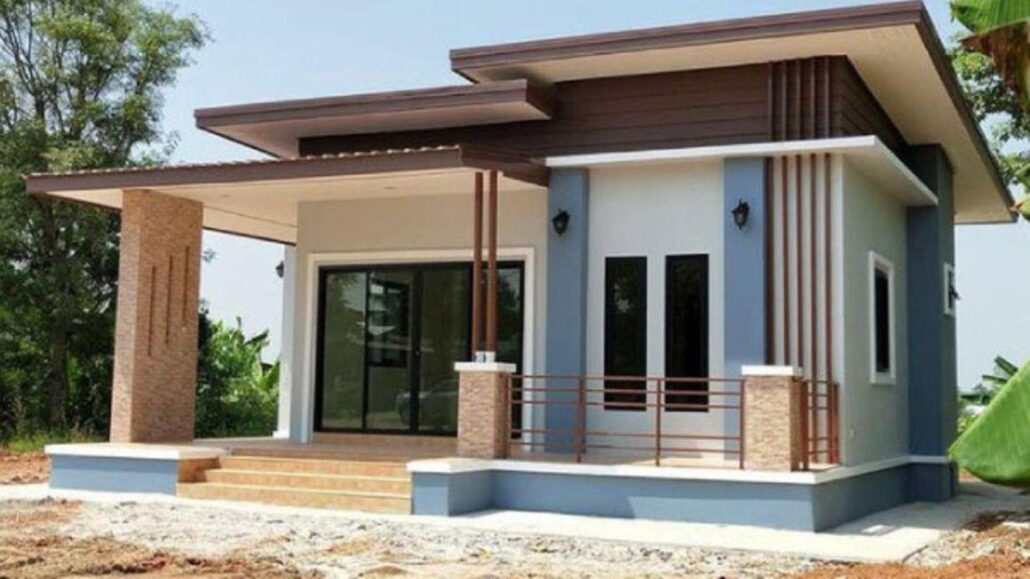
Furthermore, microfinancing institutions play a critical role by providing affordable loans to individuals and cooperatives aiming to build or purchase homes. These financial products are tailored to meet the needs of low-income groups, offering more flexible terms compared to traditional banks.
Future Aspect of Affordable Residential Housing in Uganda
With several ongoing projects and future plans aiming to mitigate the housing crisis, the future of affordable residential housing in Uganda is promising. Current initiatives by both government and private sector actors are taking substantial steps toward creating more affordable living conditions for the growing population in Uganda.